 |
A hymn of thanksgiving unites Christians past and present.
In the early 1850s, members of a German family worked hard to create a life in the area around La Crosse, Wis. They had little money, so they had to pinch pennies. They cut down trees and then used the logs to build their cabins. They bought shingles for their homesteads and put them on themselves.
This immigrant story is similar to many others: People came from Europe because of problems in the Old World, looking for a fresh start in America.
Thankless situations
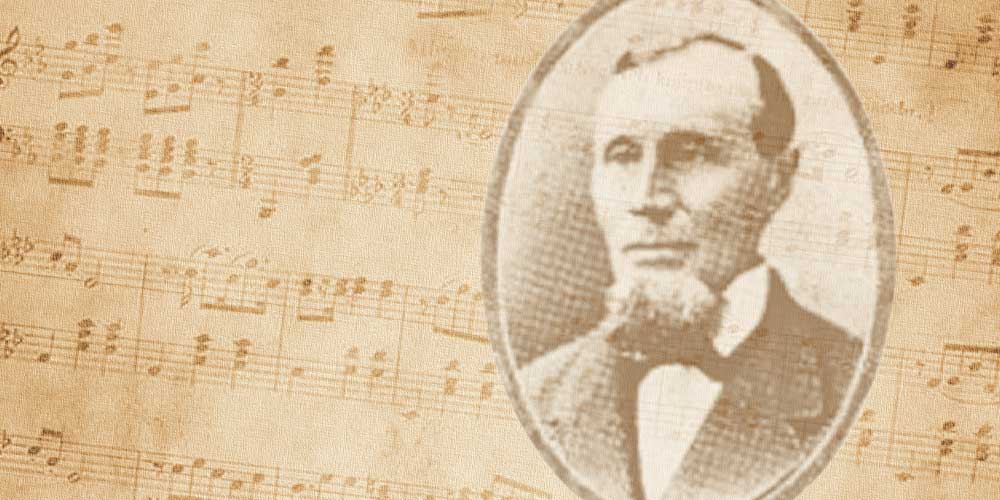
This story is the story of my great-great-great-grandfather and his family. His name was Friedrich Sprehn (we’ll call him Fred). I’ve had the pleasure of learning his story recently. Maybe you have had your family history passed down to you as well. Why should we care about these stories?
Here’s the relevance: The challenges Fred and his family faced in the 1800s are not so different from what we might encounter in 2025—uncertain circumstances, financial hardships, and existential questions. As we ponder over Fred’s story and our own, we may find ourselves grappling with despair, doubt, and ingratitude. The crucial question is this: Considering the trials Fred went through and knowing what we will go through (Jesus assures us we will face trials), why should we give thanks?
Reasons to give thanks
Fred and his family found comfort in a particular practice during their challenging times. When money was scarce, possessions were meager, and spirits were down, they would lift their voices to sing a hymn they had brought over from Europe. It’s a hymn we still sing today: “Nun danket alle Gott.”
“Now thank we all our God with hearts and hands and voices, who wondrous things has done, in whom his world rejoices; who from our mothers’ arms has blessed us on our way with countless gifts of love and still is ours today.” (Christian Worship 597:1)
This hymn is a favorite among Christians, especially around Thanksgiving. And rightly so! It reminds us of basic but beautiful truths.
The psalmist writes, “Give thanks to the LORD, for he is good, for his mercy endures forever” (Psalm 107:1). God is good to us in so many ways. For example, he gives us our daily bread. Paul and Barnabas shared that message with the people in Lystra: “He did not leave himself without testimony of the good he does. He gives you rain from heaven and crops in their seasons. He fills you with food and fills your hearts with gladness” (Acts 14:17). By doing so, God testifies that he is here among us.
But what about the Bread of Life? The apostle Paul wrote in the great resurrection chapter, “Thanks be to God, who gives us the victory through our Lord Jesus Christ!” (1 Corinthians 15:57). If there’s any reason to give thanks, it’s that God gave himself to us and for us. Jesus won for us forgiveness of sins, life, and salvation. If we must build our cabins, pinch our pennies, or suffer in any way, we can take heart. Jesus won heaven for us, and we are strengthened by this truth every time we use the Word and sacrament. Though we may not always have much in this world, God makes us abundantly rich.
Pause and consider the humble gratitude that often filled the hearts of our ancestors, even when they had little. Draw strength from the fact that the Lord did not forsake them when they left their homeland for a new world. Instead, the Lord continued to provide for them. He will continue to provide for us.
Let’s unite with Christians from generations past and present and thank the Lord for his goodness: “Nun danket alle Gott!”
Author: Daniel Sprain
Volume 112, Number 11
Issue: November 2025